Published on PetCareAdvice.site
Pet nutrition and diet is the foundation of raising a happy and healthy pet. Just like humans, pets need a balanced diet to thrive from their shiny coats and strong bones to their energy levels and immune systems to pet nutrition and diet . Whether you’re a new pet owner or a seasoned one, understanding the basics of pet nutrition can make a world of difference in your furry friend’s life. Understanding pet nutrition and diet is essential for every pet ownerhttps://www.akc.orghttps://www.akc.org
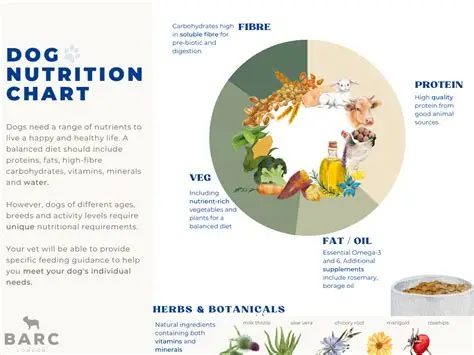
Why Pet Nutrition Matters and pet nutrition and diet
Many pet owners don’t realize how directly their pet’s diet affects their overall health. Poor nutrition can lead to a range of problems including obesity, digestive issues, weakened immunity, and even shorter lifespans. On the other hand, a well-balanced diet can:
- Boost your pet’s energy and mood
- Strengthen their immune system
- Improve coat and skin health
- Support healthy digestionS
- Reduce the risk of chronic diseases
Investing in good nutrition today saves expensive vet bills tomorrow.A proper pet nutrition and diet plan can prevent many health issues
Understanding the Basic Nutritional Needs of Pets
All pets whether dogs, cats, rabbits, or birds require six core nutrients to survive and thrive:
1. Proteins
Proteins are the building blocks of life. They support muscle growth, tissue repair, and enzyme production. Dogs and cats especially need high-quality animal proteins like chicken, beef, fish, and eggs. Cats are obligate carnivores, meaning they must have meat in their diet plant proteins alone are not sufficient for them.
2. Fats
Healthy fats provide energy and are essential for brain function, hormone production, and absorbing fat-soluble vitamins (A, D, E, K). Omega-3 and Omega-6 fatty acids are particularly important they promote a shiny coat and reduce inflammation. Sources include fish oil, flaxseed, and chicken fat.
3. Carbohydrates
While dogs can digest carbohydrates reasonably well, cats have a limited ability to process them. Carbs can provide quick energy and dietary fiber, which supports gut health. Good sources include sweet potatoes, brown rice, and oats. However, carbs should not make up the majority of a pet’s diet.
4. Vitamins
Vitamins are essential for metabolic processes and immune function. Most commercial pet foods are fortified with vitamins, but pets on homemade diets may need supplementation. Key vitamins include Vitamin A (for vision), Vitamin D (for bones), and Vitamin E (for immune health).
5. Minerals
Minerals like calcium, phosphorus, zinc, and iron support bone structure, nerve function, and oxygen transport. A proper calcium-to-phosphorus ratio is especially important for growing puppies and kittens.
6. Water
Often overlooked, water is the most essential nutrient of all. Dehydration can cause serious health problems very quickly. Always ensure your pet has access to clean, fresh water throughout the day. Pets on dry food diets especially need to drink more water.
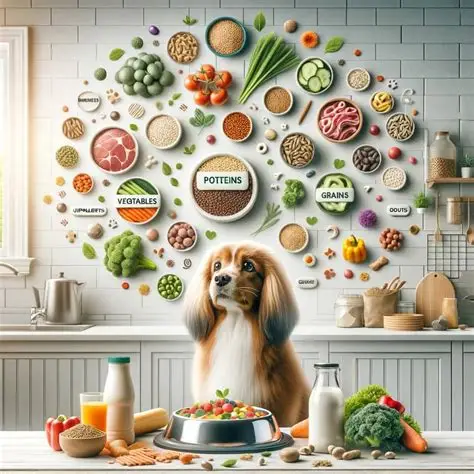
Dogs vs. Cats: Different Nutritional Needs
One of the most common mistakes pet owners make is feeding their dog and cat the same food. While they may seem similar, dogs and cats have very different dietary requirements pet nutrition and diet.
| Nutrient | Dogs | Cats |
|---|---|---|
| Protein Source | Omnivores plant & animal | Obligate carnivores animal only |
| Taurine | Not essential | Essential (must be in diet) |
| Vitamin A | Can convert from beta-carotene | Need preformed Vitamin A |
| Arachidonic Acid | Can synthesize | Must get from food |
Always feed your pets species-appropriate food. Never give cat food to dogs regularly (too high in protein and fat) or dog food to cats (lacks essential nutrients cats need).
Choosing the Right Pet Food
Walk into any pet store and you’ll be overwhelmed with choices dry kibble, wet food, raw diets, freeze-dried, grain-free… So how do you choose?
Reading Pet Food Labels
Look for these things on the label:
- Named protein source first (e.g., “Chicken” not “Meat by-products”)
- AAFCO statement this means the food meets minimum nutritional standards
- No artificial preservatives like BHA, BHT, or ethoxyquin
- Appropriate life stage puppy/kitten, adult, or senior formulas
Dry vs. Wet Food for pet nutrition and diet
- Dry food (kibble): Convenient, affordable, good for dental health, but lower moisture content
- Wet food: Higher moisture content (great for hydration), more palatable, but more expensive and spoils faster
- Combination feeding: Many vets recommend mixing both for the best of both worlds
Raw Diet (BARF Diet)
Some pet owners swear by raw feeding biologically appropriate raw food consisting of raw meat, bones, and vegetables. While it can offer benefits, it also carries risks of bacterial contamination (like Salmonella) and nutritional imbalance if not properly planned. Always consult your vet before switching to a raw diet.
Common Pet Diet Mistakes to Avoid
Even well-meaning pet owners can make nutritional mistakes. Here are some to watch out for:
- Overfeeding: Obesity is one of the most common health problems in pets. Follow portion guidelines on food packaging and adjust based on your pet’s weight and activity level.
- Too many treats: Treats should make up no more than 10% of your pet’s daily caloric intake.
- Feeding human food: Many human foods are toxic to pets including chocolate, onions, grapes, raisins, garlic, xylitol (found in sugar-free products), and avocado.
- Skipping vet consultations: Always consult your veterinarian before making major dietary changes, especially for pets with health conditions.
Special Dietary Needs
Some pets require specialized diets based on their age, breed, or health condition:
- Puppies & Kittens: Need more calories, protein, and calcium to support rapid growth
- Senior Pets: Often need fewer calories, more fiber, and joint-supporting nutrients like glucosamine
- Overweight Pets: May need a weight management formula with fewer calories
- Pets with Allergies: May require hypoallergenic or limited-ingredient diets
- Diabetic or Kidney Disease Pets: Require carefully controlled diets always under veterinary supervision

Final Thoughts
Good nutrition is one of the greatest gifts you can give your pet. By understanding their unique dietary needs and making informed food choices, you’re setting them up for a long, healthy, and happy life. Don’t be afraid to ask your veterinarian for dietary advice tailored to your specific pet they are your best resource.
At PetCareAdvice.site, we’re committed to helping you make the best decisions for your furry companions. Stay tuned for more expert tips and guides on pet health, care, and wellness!
Disclaimer: This article is for informational purposes only and does not substitute professional veterinary advice. Always consult a licensed veterinarian for your pet’s specific health and dietary needs.
One Comment