As a pet owner, your animal companion depends on you for everything food, shelter, love, and most importantly, health care. Pets cannot speak, so they cannot tell you when something is wrong. That is why it is so important to learn the signs that your pet might be sick. Early detection can save your pet’s life and save you from expensive veterinary bills later.cat care guide Blogs
This complete guide covers all the major warning signs that your pet whether a cat, dog, or other animal may be unwell and needs medical attention. Watch for signs your pet is sick every day.
1. Changes in Eating Habits
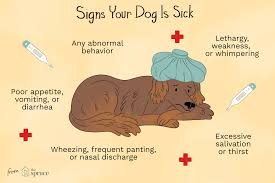
One of the first and most noticeable signs your pet is sick is a sudden change in appetite. If your pet normally eats well but suddenly refuses food for more than 24 hours, this is a red flag. On the other hand, if your pet is eating excessively more than usual, that can also indicate a health problem such as diabetes or a thyroid issue.Watch for signs your pet is sick every day.
Watch for these signs:
- Refusing to eat or drink water
- Eating much more than usual
- Dropping food while eating (may indicate dental pain)
- Showing interest in food but walking away without eating
Always take note of how much your pet eats daily. A sudden change either way should not be ignored.
2. Unusual Lethargy or Weakness
Every pet has its own energy level. You know your pet better than anyone. If your usually active dog no longer wants to go for walks, or your playful cat just lies in one corner all day, something may be wrong.
Lethargy in pets can be caused by many things including infections, pain, anemia, heart disease, or even depression. If your pet seems unusually tired for more than one or two days, it is time to visit the vet.
Signs to watch for:
- Sleeping much more than usual
- Refusing to play or exercise
- Moving slowly or struggling to stand up
- Appearing weak or unsteady on feet

3. Vomiting and Diarrhea
Occasional vomiting or loose stool can happen to any pet. But if it happens repeatedly or continues for more than 24 hours, it is a serious warning sign. Frequent vomiting and diarrhea can quickly lead to dehydration, which can be life-threatening especially in small animals and kittens or puppies.
When to be concerned:
- Vomiting more than twice in one day
- Blood in vomit or stool
- Diarrhea lasting more than 24 hours
- Signs of dehydration such as dry gums or sunken eyes.Watch for signs your pet is sick every day
Never wait too long with these symptoms. Take your pet to the vet immediately if you see blood.
4. Excessive Thirst and Urination
If your pet is suddenly drinking a lot more water than usual and urinating more frequently, this could be a sign of diabetes, kidney disease, or a hormonal disorder. This symptom is very common in older pets and should never be ignored.
Keep an eye on:
- Water bowl being emptied much faster than usual
- Urinating inside the house when previously house-trained
- Very large amounts of urine each time
- Pale or very dark colored urine
These signs, especially in older cats and dogs, require immediate veterinary attention.
5. Breathing Problems
Healthy pets breathe quietly and without effort. If you notice your pet breathing heavily, coughing frequently, wheezing, or gasping for air, this is a serious emergency. Breathing difficulties can be caused by heart disease, lung infection, asthma, or even a blockage in the throat.
Warning signs include:
- Rapid or labored breathing at rest
- Persistent coughing or wheezing
- Blue or purple color on gums or tongue
- Open-mouth breathing in cats (almost always an emergency)
- Noisy breathing sounds
If your pet shows any of these signs, go to the vet immediately do not wait.
6. Skin and Coat Changes
A healthy pet has a shiny, clean coat and smooth skin. Changes in the skin or fur are often one of the earliest signs your pet is sick. This includes excessive shedding, bald patches, rashes, lumps, or a dull and dry coat.
Look for:
- Excessive scratching, licking, or biting at skin
- Bald spots or thinning fur
- Redness, rashes, or sores on skin
- Lumps or bumps under the skin
- Unusual odor from skin or coat
- Dandruff or very dry skin
Skin problems can be caused by allergies, parasites like fleas or mites, fungal infections, or nutritional deficiencies. A vet can identify the exact cause with a simple examination.
7. Eye and Nose Discharge
Clear, occasional eye discharge can be normal. But thick, yellow, green, or excessive discharge from the eyes or nose is a sign of infection or illness. Cats especially are prone to upper respiratory infections that cause heavy eye and nose discharge.
Signs to notice:
- Yellow or green discharge from eyes or nose
- Swollen or red eyes
- Squinting or keeping one eye closed
- Constant sneezing
- Crusty buildup around eyes or nose
These symptoms are often treatable with medication, but early treatment gives the best results.
8. Changes in Behavior
You know your pet’s personality. Any sudden and unexplained change in behavior can be a sign that something is wrong physically or emotionally. A friendly pet that suddenly becomes aggressive may be in pain. A confident pet that suddenly hides all day may be feeling sick or scared.
Behavioral changes to watch for:
- Sudden aggression or biting when touched
- Hiding and avoiding family members
- Excessive vocalization such as crying or howling
- Confusion or disorientation
- Loss of interest in favorite toys or activities
Pain is one of the most common reasons for behavioral changes in pets. If your pet snaps at you when you touch a certain area, that area may be painful.
9. Weight Loss or Weight Gain
Unexplained weight changes are always a concern. If your pet is losing weight despite eating normally, it may indicate diabetes, cancer, parasites, or digestive problems. Sudden weight gain without any increase in food intake may suggest a hormonal issue.
Monitor your pet’s weight regularly and tell your vet if you notice any significant changes over a short period of time.
10. Bad Breath, Drooling, or Difficulty Swallowing
While some level of “pet breath” is normal, very foul-smelling breath can indicate dental disease, kidney failure, or digestive problems. Excessive drooling or difficulty swallowing may point to mouth pain, a foreign object stuck in the throat, or nausea.
Watch for:
- Extremely bad breath
- Drooling more than usual
- Pawing at the mouth
- Difficulty chewing food
- Dropping food while eating
Dental disease is one of the most overlooked health issues in pets. Regular teeth cleaning and vet checkups can prevent serious problems.
When to Visit the Vet Immediately
Some symptoms require emergency care right away. Do not wait for a scheduled appointment if your pet shows:
- Difficulty breathing
- Collapse or inability to stand
- Seizures
- Suspected poisoning
- Severe bleeding
- Extreme pain or crying
Final Thoughts
Your pet cannot tell you when they are feeling unwell, but their body always shows signs. As a responsible pet owner, the best thing you can do is observe your pet daily, know their normal habits, and act quickly when something seems off. Regular vet checkups at least once a year are also essential for catching problems early.
Remember: early action saves lives. When in doubt, always consult your veterinarian. It is always better to be safe than sorry when it comes to the health of your beloved pet.